by Sakata Webmaster | Apr 21, 2025 | Solanaceae
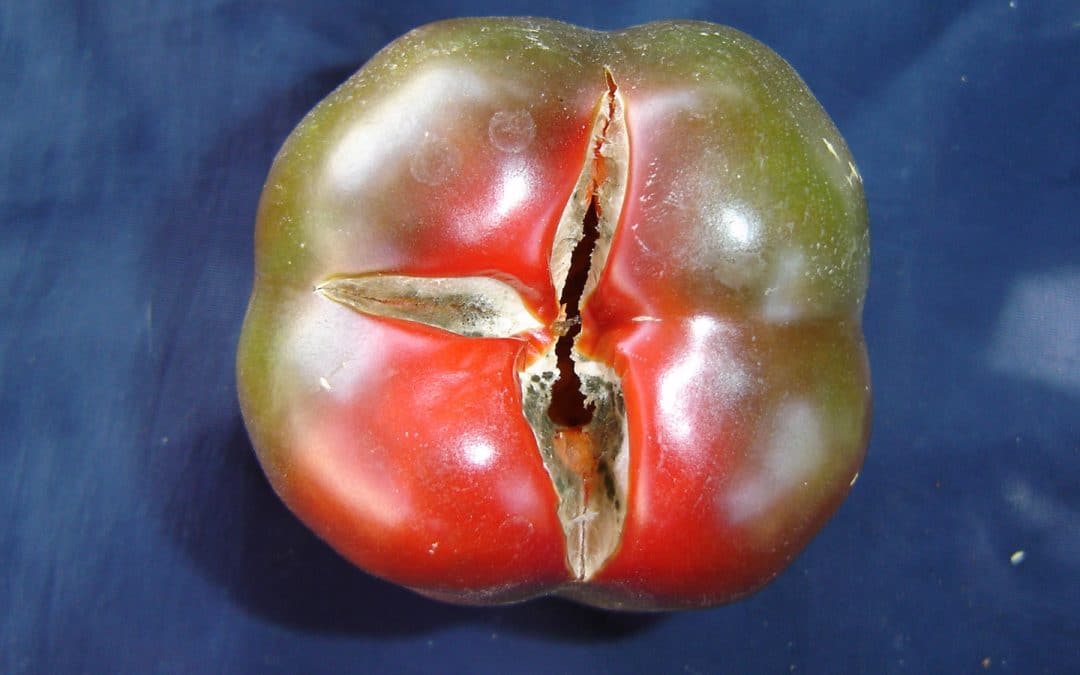
Cracking (also called sugar crack) is one of the most common physiological problems on sweet peppers in South Africa. Cracks can be small or large on the fruit shoulder, the sides or the blossom end of fruit. Fruit with fine, inconspicuous cracks (Figure 1, A &...
by Sakata Webmaster | Apr 21, 2025 | Solanaceae
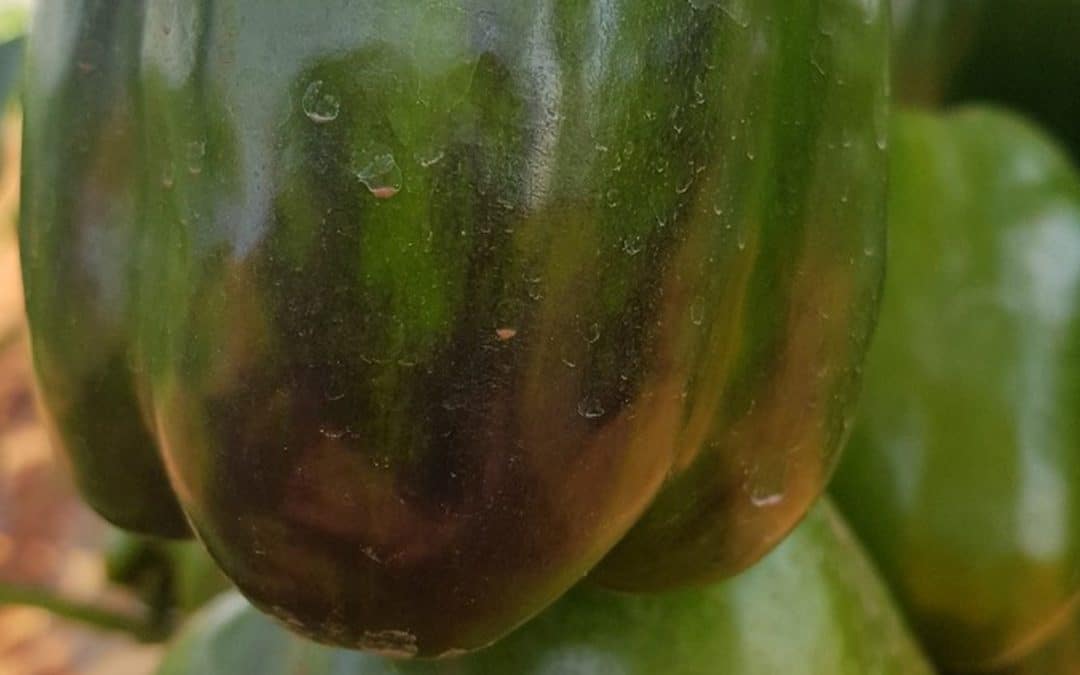
During winter months there is often the appearance of dark purple or black areas on peppers, this can be both sweet and hot peppers. This can affect the appearance of the fruit to such an extent that fruit could be considered as unmarketable. It is, however, a...
by Sakata Webmaster | Apr 21, 2025 | Root crops
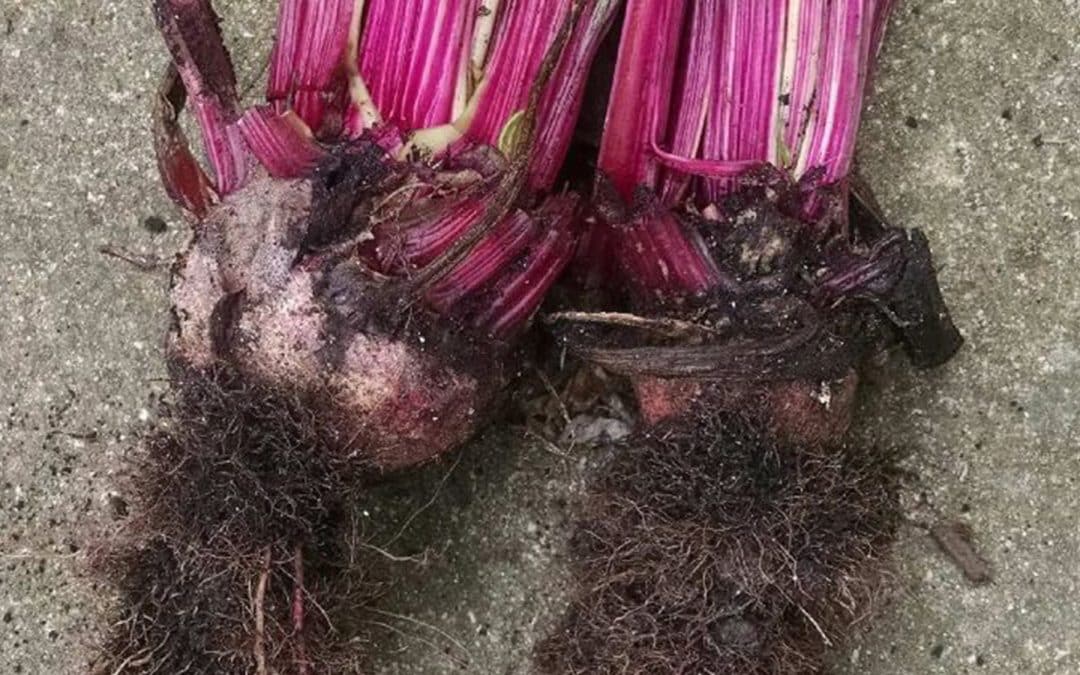
Rhizomania, a serious disease affecting members of the beet family (Amaranthaceae), is caused by the beet necrotic yellow vein virus (BNYVV). This virus, classified as a furovirus, is transmitted by the soil-borne fungus Polymyxa betae, an obligate parasite requiring...
by Sakata Webmaster | Apr 21, 2025 | Root crops
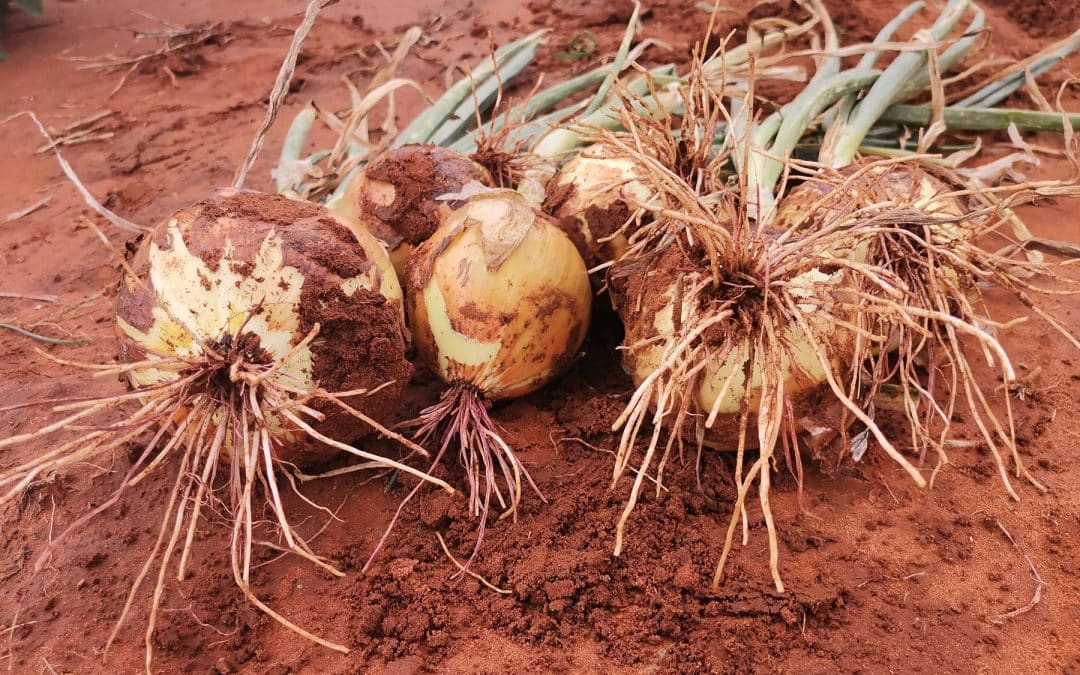
Pink Root is caused by the soil-borne fungal pathogen, Phoma terrestris (syn. Pyrenochaeta terrestris), and is a serious problem for multiple onion growers. This disease can cause significant reductions in crop yields and quality in many onion growing regions of South...
by Sakata Webmaster | Apr 21, 2025 | Root crops
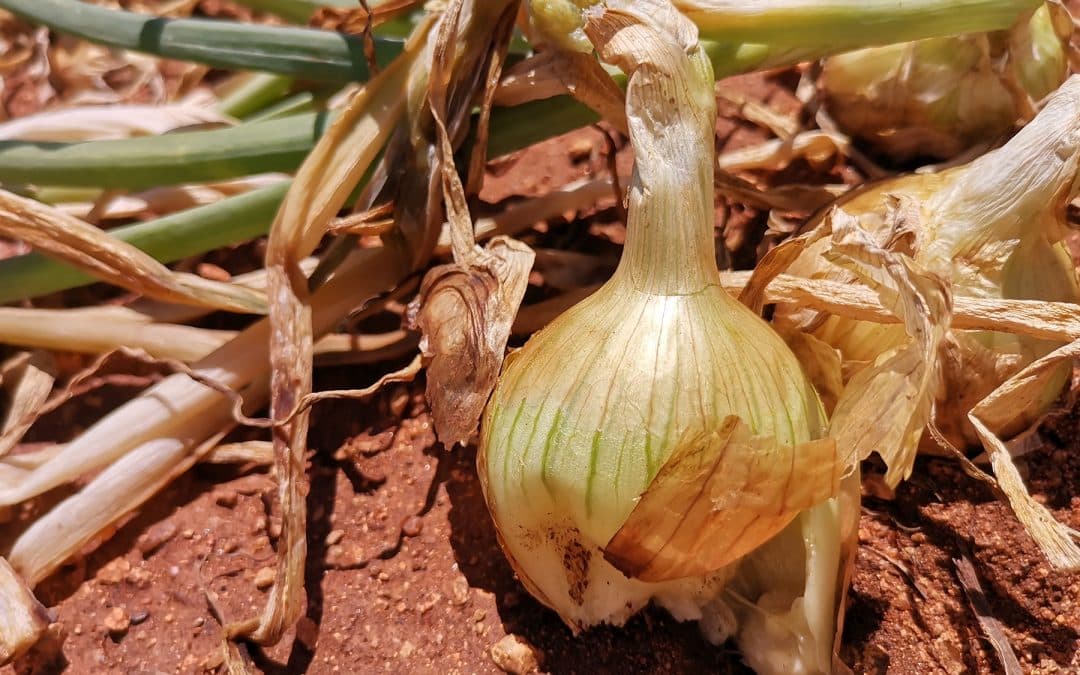
Basal rot, a significant challenge for onion growers, is caused by the soil-borne pathogen Fusarium oxysporum f. sp. cepae. This fungus attacks the roots and basal plates of developing onion bulbs. Infection typically occurs when the pathogen penetrates the plant...
by Sakata Webmaster | Apr 21, 2025 | Leafy Crops
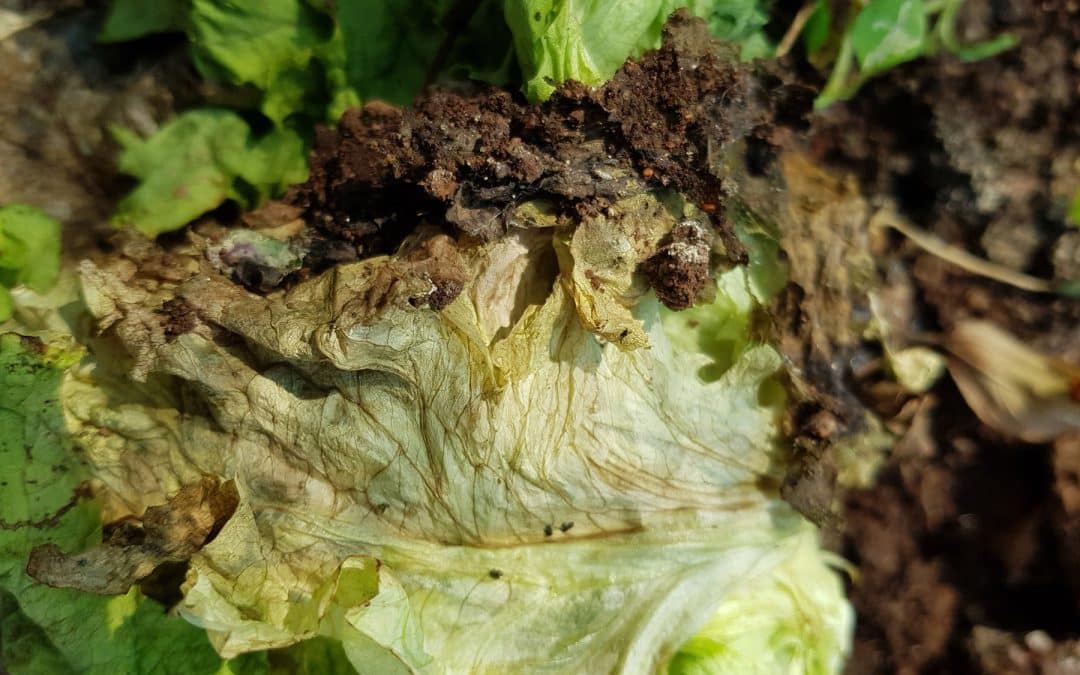
Lettuce drop, caused by Sclerotinia spp.—specifically S. sclerotiorum and S. minor—is a highly destructive disease that poses significant challenges to lettuce production. Its impact is magnified by its ability to: Infect a broad range of hosts, including allium,...