Temperature can play a critical role in the vegetative growth, head formation and quality of brassica crops. Stress from extreme temperatures triggers hormonal and metabolic changes across various growth stages, and plants can respond differently depending on their...
Brassica Information
To support your growing success
Brassica Stunting Disorder
Cabbage is one of South Africa’s most important vegetables, supplying mostly fresh markets. Cabbage producers now face an increasingly challenging viral disease: Brassica stunting disorder, caused by the Turnip yellows virus (TuYV). This disease, though not always...
Hollow stem and tipburn on broccoli and cauliflower
Recent seasons have brought extreme temperature fluctuations and erratic rainfall patterns, increasing the occurrence of physiological disorders in vegetables. Two common disorders affecting broccoli and cauliflower are hollow stem and tipburn. Hollow Stem Hollow...
Diseases in brassica crops
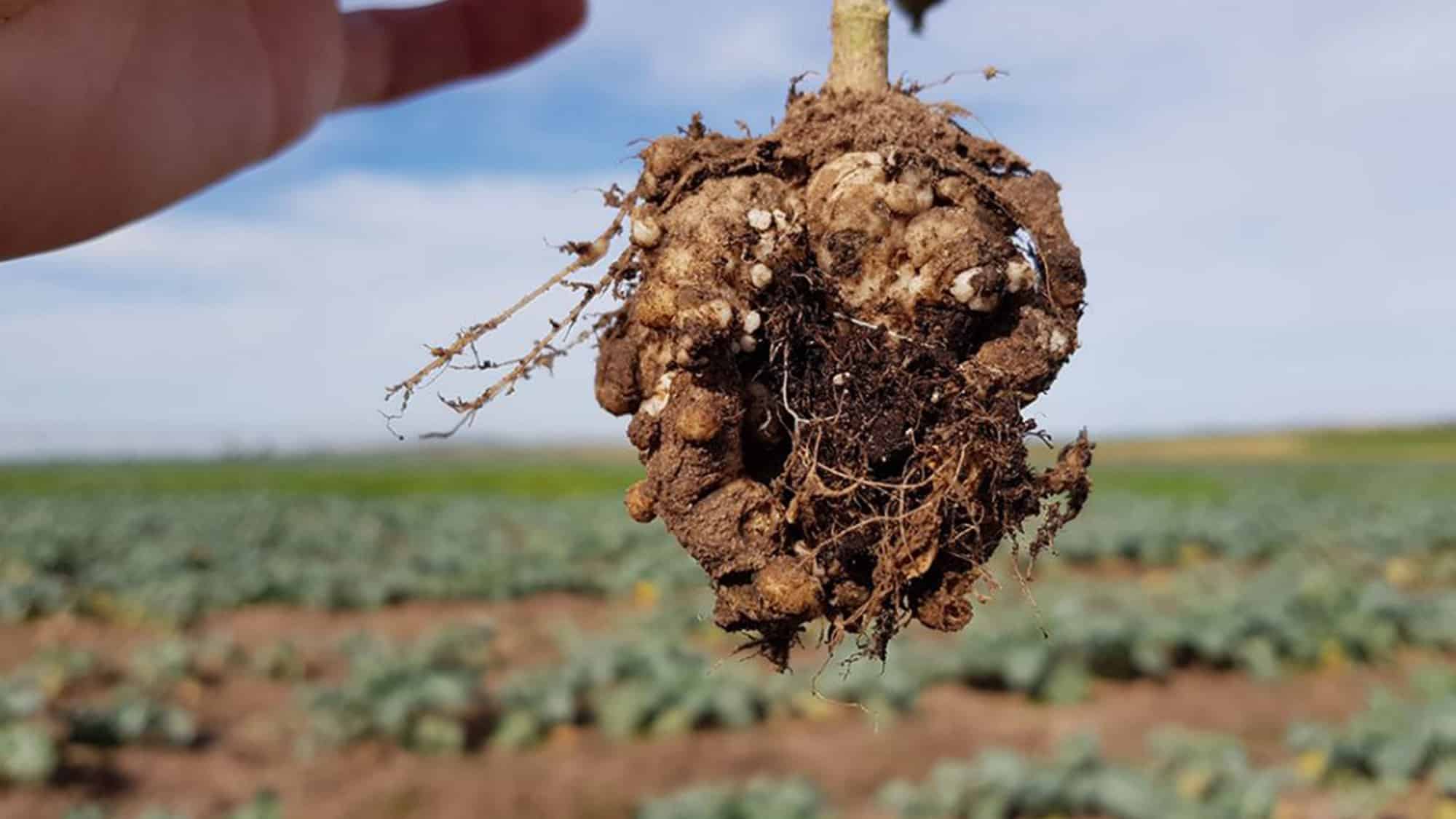
Brassica crops are highly susceptible to numerous diseases. It is important for growers identify the common diseases in their specific growing regions and seasons. Employing cultural practices, resistant varieties, and informed management techniques can significantly...
Brassica seed quality
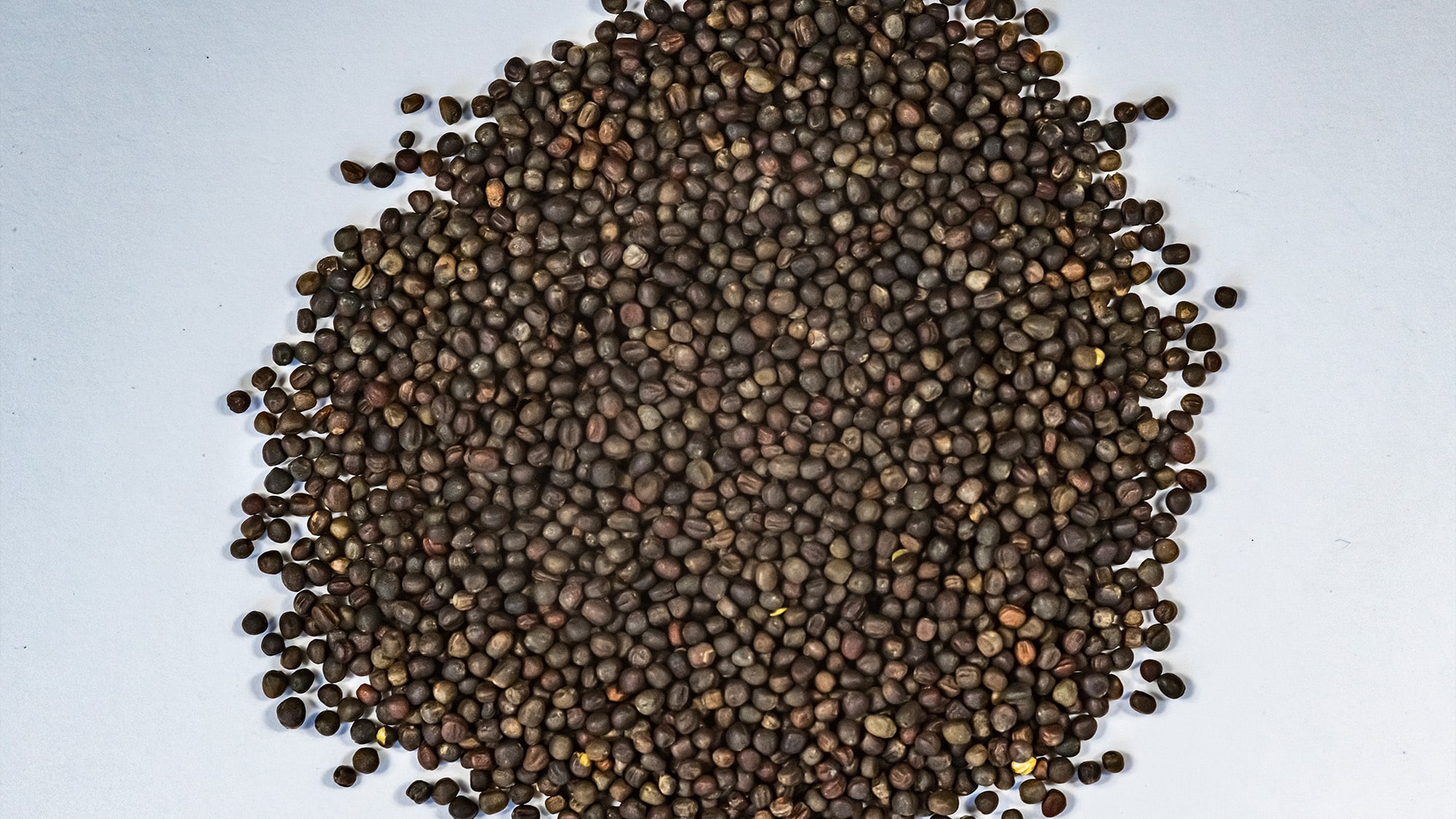
Quality assurance complaints received by seed companies most commonly relate to the germination and vigour of brassica seed. To ensure high standards, seed companies conduct various tests, including assessments for germination, vigour, diseases, seed count, genetic...
Black rot on cabbage
Black rot, caused by the bacterium Xanthomonas campestris pv. campestris (Xcc), is a major disease affecting cabbage and other crucifer crops worldwide. The pathogen thrives in warm, wet conditions and can lead to substantial yield losses if not managed effectively....