


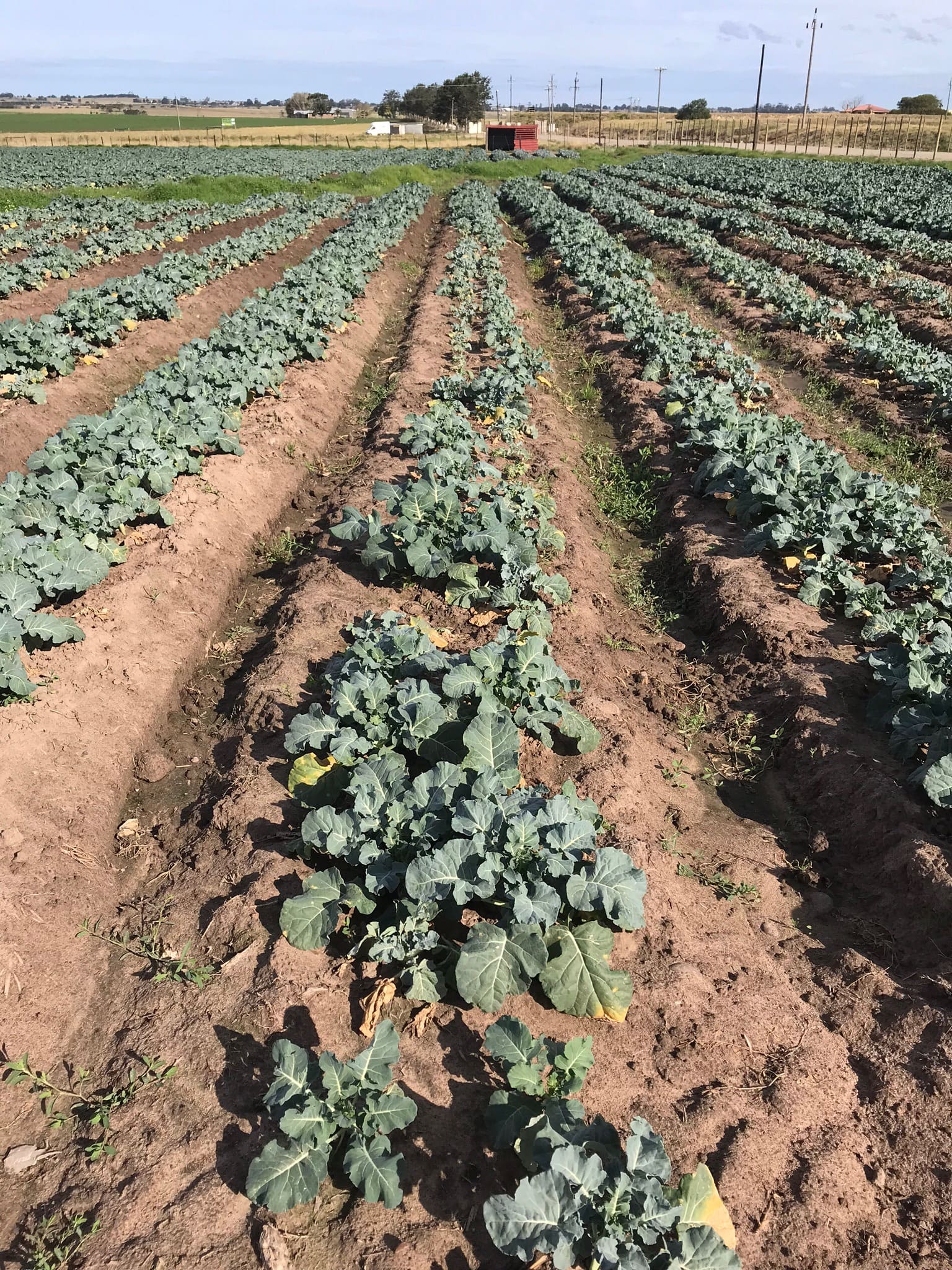
Brassica crops are highly susceptible to numerous diseases. It is important for growers identify the common diseases in their specific growing regions and seasons. Employing cultural practices, resistant varieties, and informed management techniques can significantly reduce disease impact. Understanding the origin, dispersal, and environmental conditions favouring each pathogen is crucial in limiting disease issues.
Below, we explore three major diseases affecting Brassica crops and offer insights for their management.
Alternaria


Clubroot
Clubroot (Plasmodiophora brassicae) is a devastating soil-borne disease that affects a wide range of Brassica crops. Caused by the obligate parasite Plasmodiophora brassicae, it stunts plant growth and may lead to plant death. The pathogen infects young plants, resulting in swollen and distorted roots that delay or block water and nutrient absorption.
Symptoms and spread:
- Yellowing leaves and wilting, especially on warm days.
- Swollen, distorted roots ("clubbed" appearance).
- Increased susceptibility to soft rot bacteria due to weakened root tissue.
- Spread occurs through contaminated soil, water, and equipment.


White Blister
Whiteblister is caused by Albugo candida, a fungus of which 17 different races has already been identified and described up to now. It is characterised by "mildew-like" growth on the undersides of leaves and the formation of white blisters. Infections can lead to extensive distortion, hypertrophy, and sterility of inflorescences (stagheads). Spread occurs through infected seed, plant material, and favourable environmental conditions.
Management strategies for these diseases:
- Use resistant varieties to reduce susceptibility.
- Ensure seeds are disease-free or treated before planting.
- Apply fungicide sprays to manage disease outbreaks.
- Conduct regular field inspections and implement effective spray programs.
- Adopt good irrigation practices and plant at optimal times to reduce disease pressure.
- Rotate crops to reduce pathogen carryover.
- Monitor fields regularly and remove infected plant debris promptly.
By adopting these strategies, growers can effectively manage diseases, protect their crops, and ensure successful harvests.


