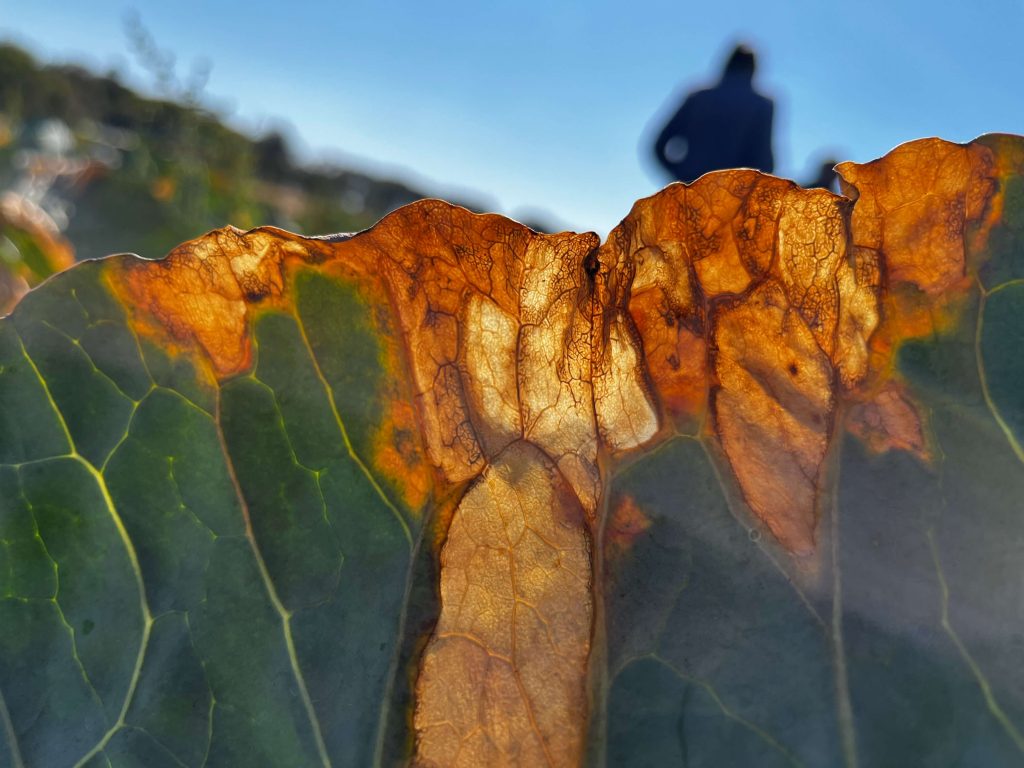


Green beans (Phaseolus vulgaris) cultivation is widespread, with Asian countries and regions near the equator being the dominant producers. Although green beans are considered a relatively easy crop to grow with a short growth cycle, pod quality can be severely influenced by multiple factors. Temperature is one of the most important factors that can easily be managed by choosing the correct season to sow your green beans. Green beans are a warm season crop, performing best at daytime temperatures between 24 and 27°C with minimum temperature of 15°C. Temperatures below 10°C are unsuitable for green bean production and therefore cultivation during winter times should be avoided in most regions.
POD QUALITY:
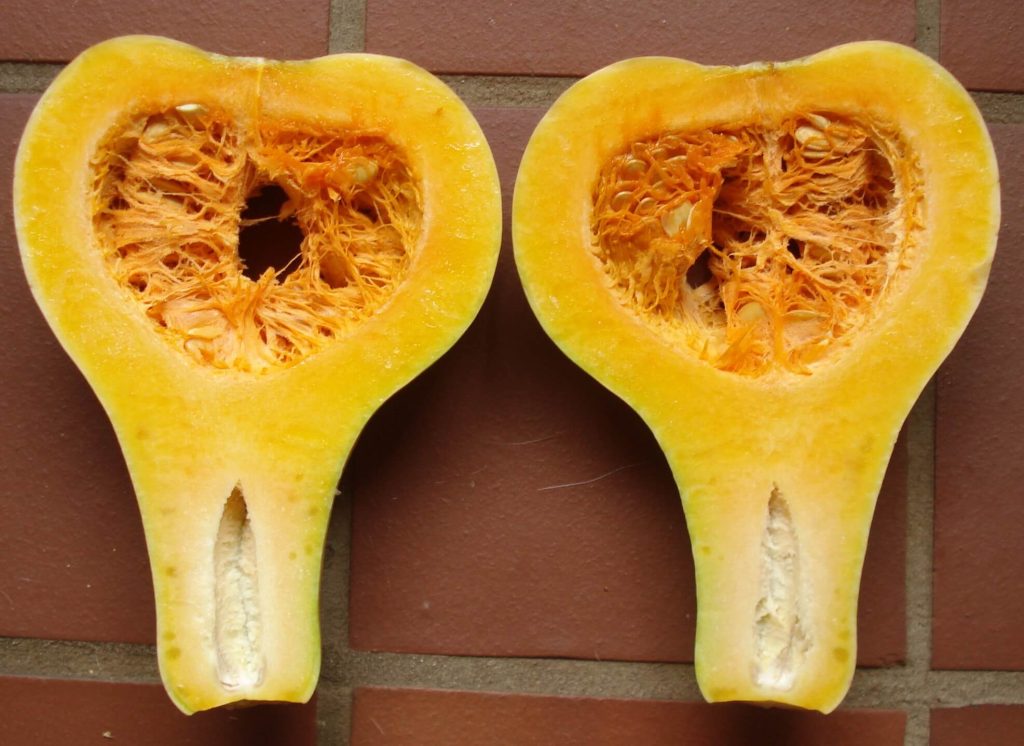
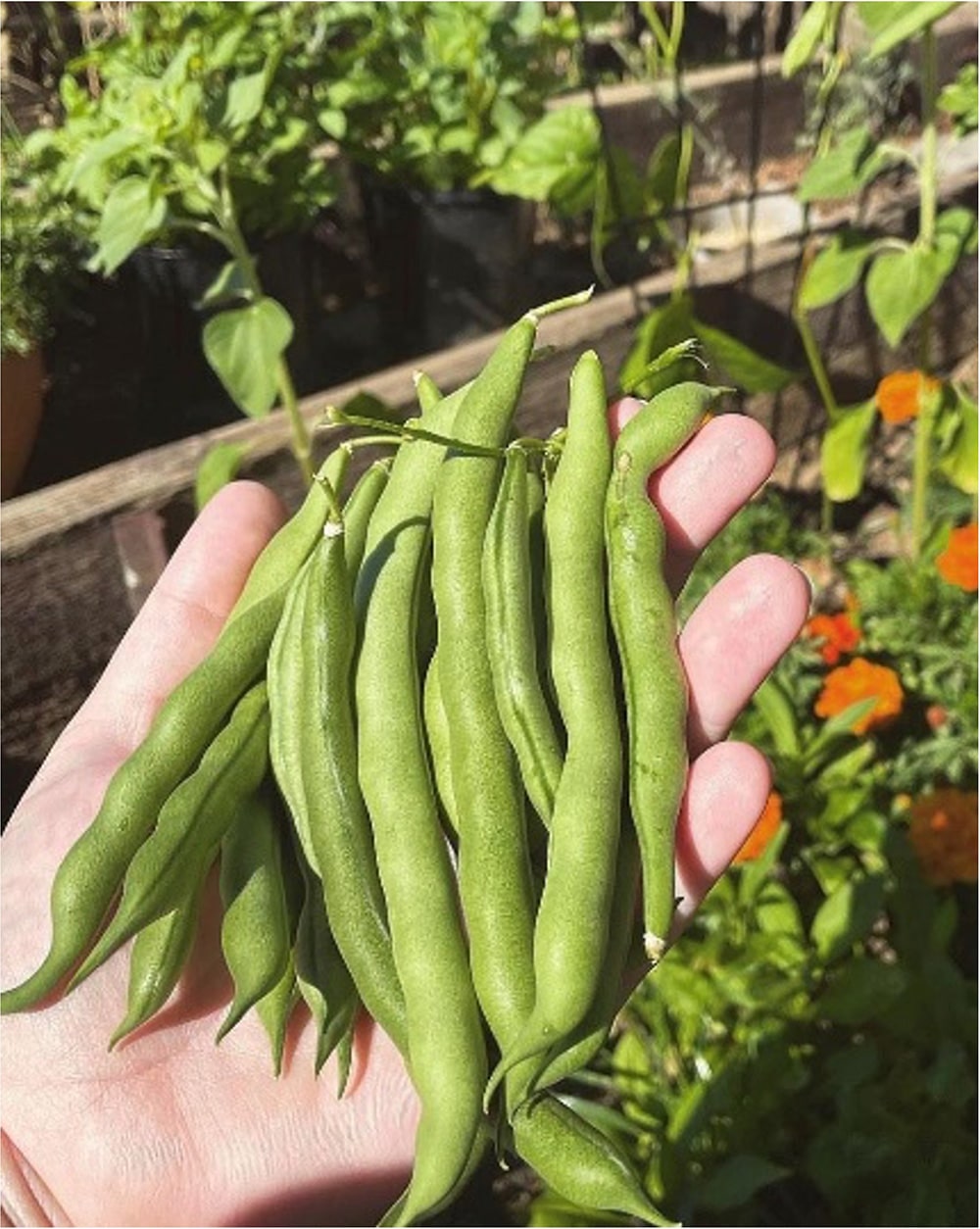
Green bean pods have a short shelf life so it is important to harvest good quality pods to extend the shelf life of the harvested product. High heat stress can lead to seed maturation within the pods, resulting in bumpy pods with low internal gel. The internal gel structure contributes to the green beans’ fresh taste and is an important factor in shelf life and quality. Temperatures lower than 10°C can lead to malformed pods that are not fully developed or have a bottle-neck appearance. This is due to delayed pod formation where cold temperatures inhibit cell enlargement necessary to form mature pods.
LEAF CANOPY:
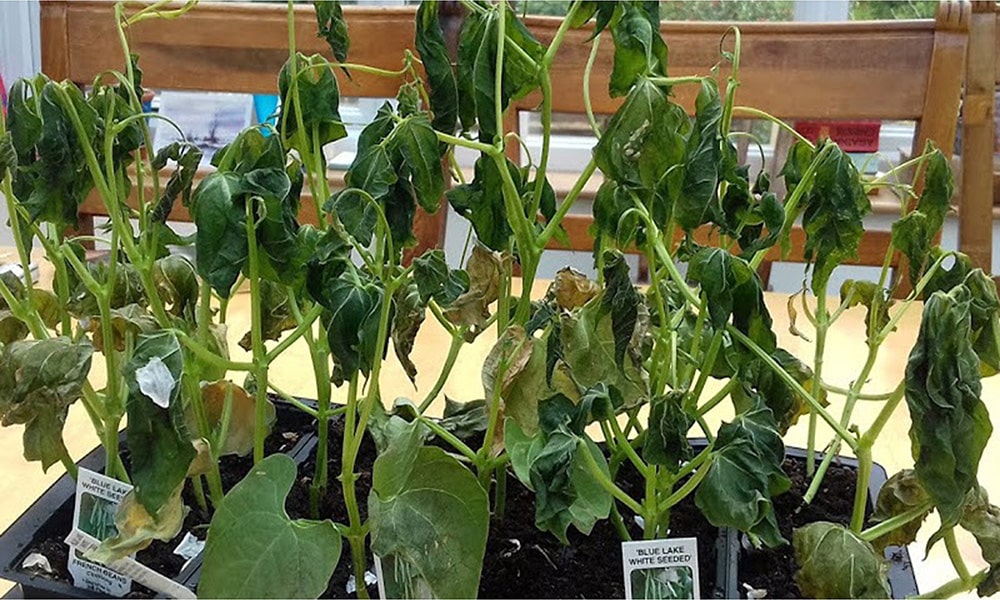
A healthy leaf canopy is essential for quality pod development. Frost damage can reduce the leaf area and since green beans have a short cycle of 55 – 65 days, most varieties do not have the ability to form new leaves before pod formation starts. This can

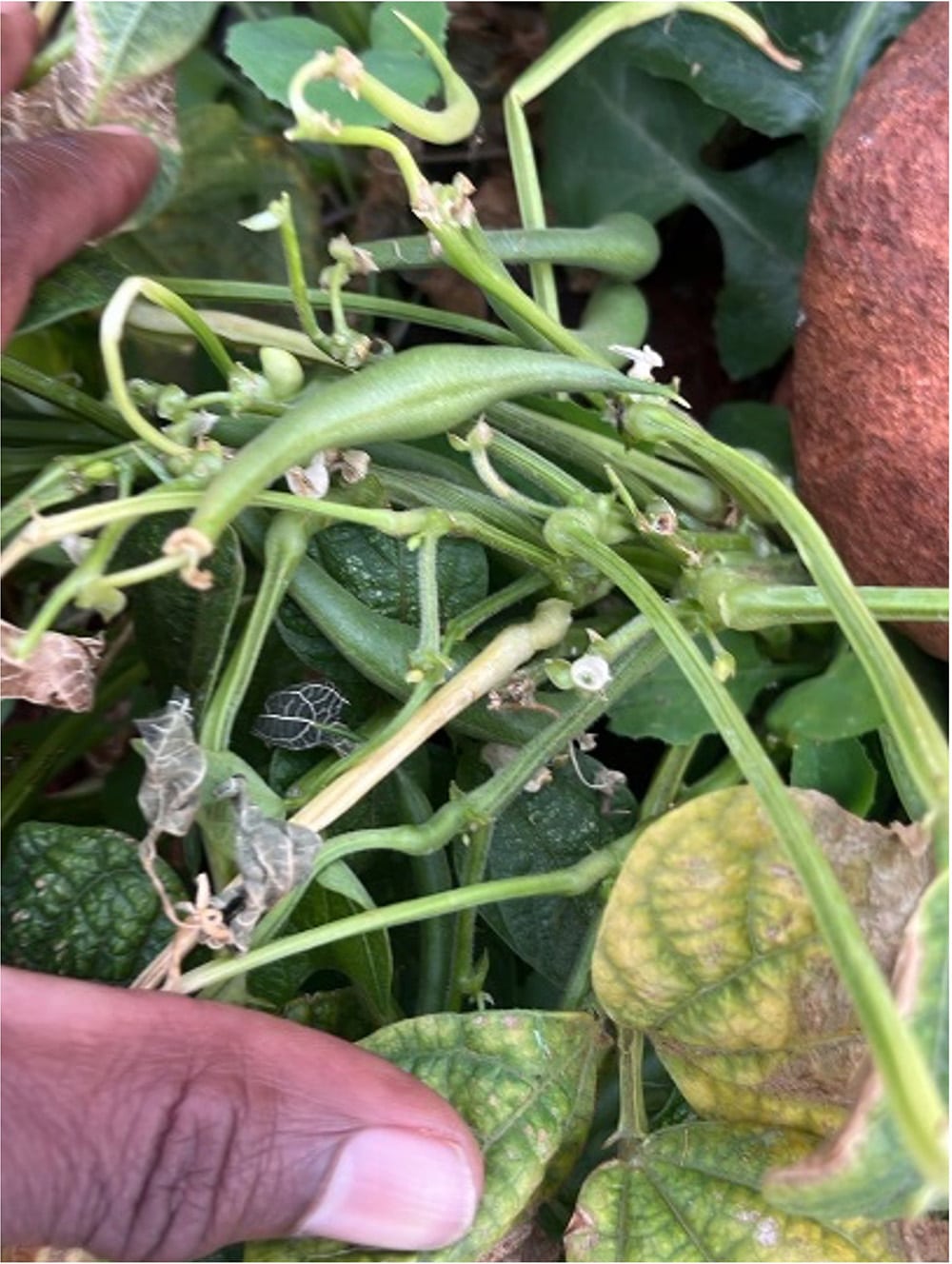
lead to poor pod quality and lower yields as the plants do not have enough leaves to produce energy through photosynthesis that can sustain pod growth. Frost damage on plants can be identified by the top leaves of the plant having a wilted appearance, with leaf tips turning a dark brown to black colour.
FLOWER AND POD DROP:
Extreme temperatures can also have an influence on flowers and early pod development. Five to eight days of temperatures above 28°C can lead to a reduction in pollen viability. If a flower is not pollinated within a specific timeframe, it will shrivel and drop from the plant. Temperatures below 10°C can affect pollen tube growth which is necessary for fertilisation and seed development. Although green beans are harvested
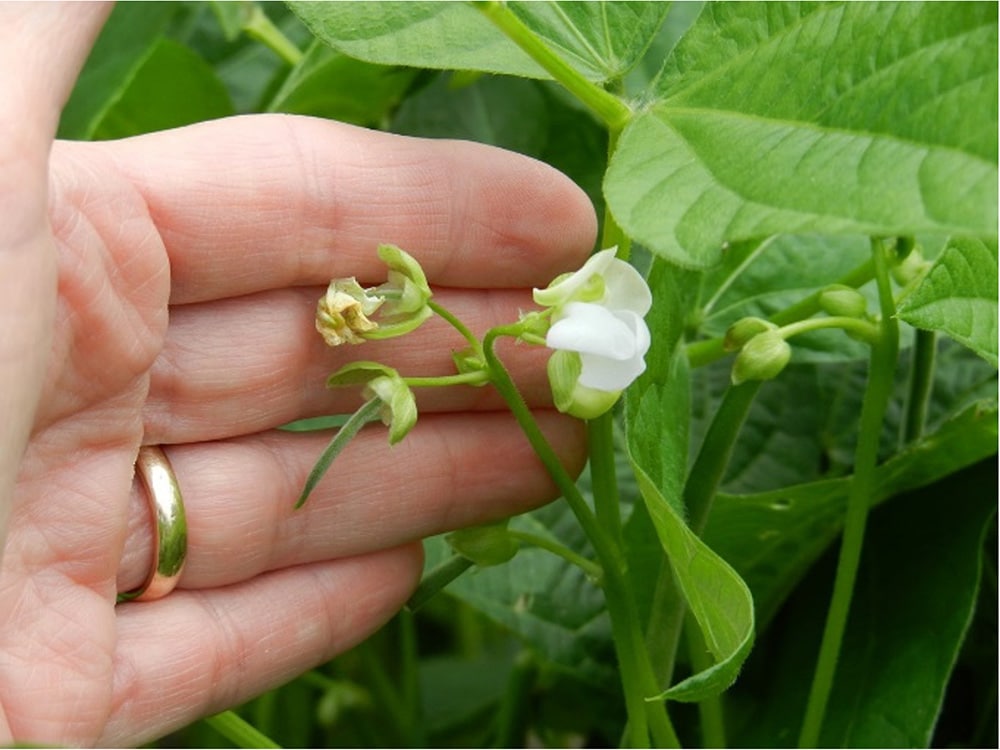
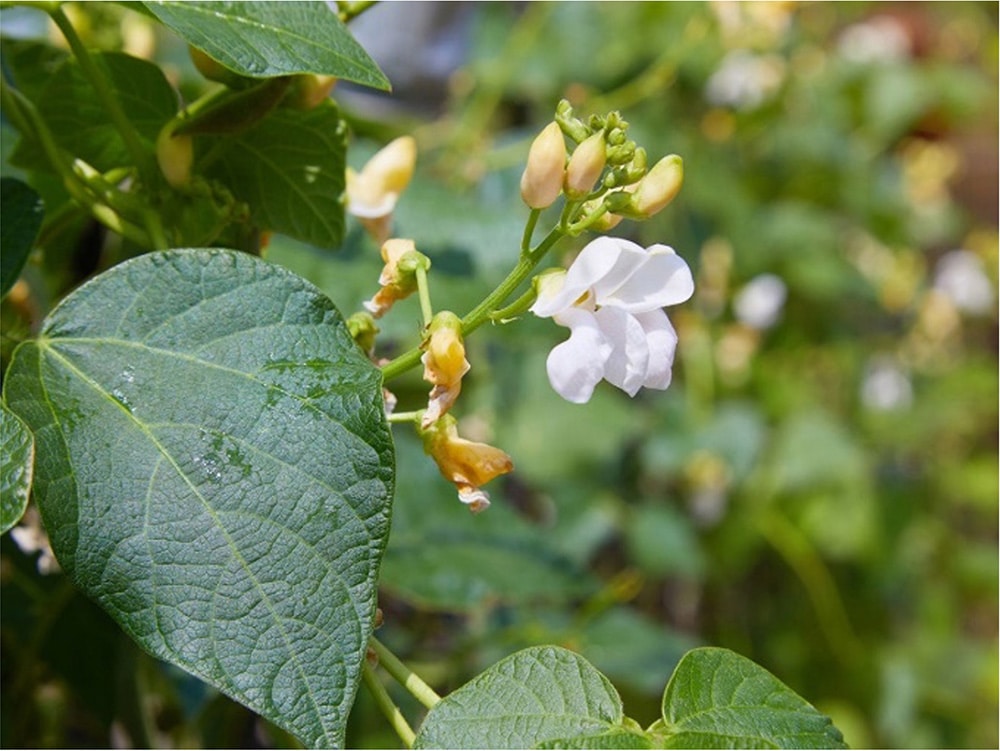
before seeds are mature, proper seed development is necessary to form healthy pods of good quality and shape. The pods start out as small pods attached to the flowers, that can grow into mature pods within 7 to 10 days. Extreme temperatures, high or low, at small pod stage can cause stress conditions in a green bean plant that will cause these newly developed pods to drop.
By selecting the right planting season to maintain optimal temperatures, growers can ensure strong pod formation, good quality and better shelf life, ultimately achieving a more productive and profitable green bean harvest.
View Sakata’s bean varieties here.
Disclaimer
This information is based on observations and sources believed to be reliable. However, crop performance depends on the interaction of genetic potential, seed characteristics, and environmental factors, including management practices. Sakata Seed Southern Africa (Pty) Ltd provides no express or implied warranty for crop performance based on this information and accepts no liability for losses resulting from its use. Please refer to Sakata Seed Southern Africa’s Conditions of Sale before ordering seed.