


Phytophthora capsici is a destructive pathogen that infects over 50 plant species across more than 15 families, with cucurbits and peppers among its most susceptible hosts.
Symptoms:
Phytophthora infection, particularly fruit rot, can occur at any stage from fruit set to harvest and even post-harvest during transit or storage.
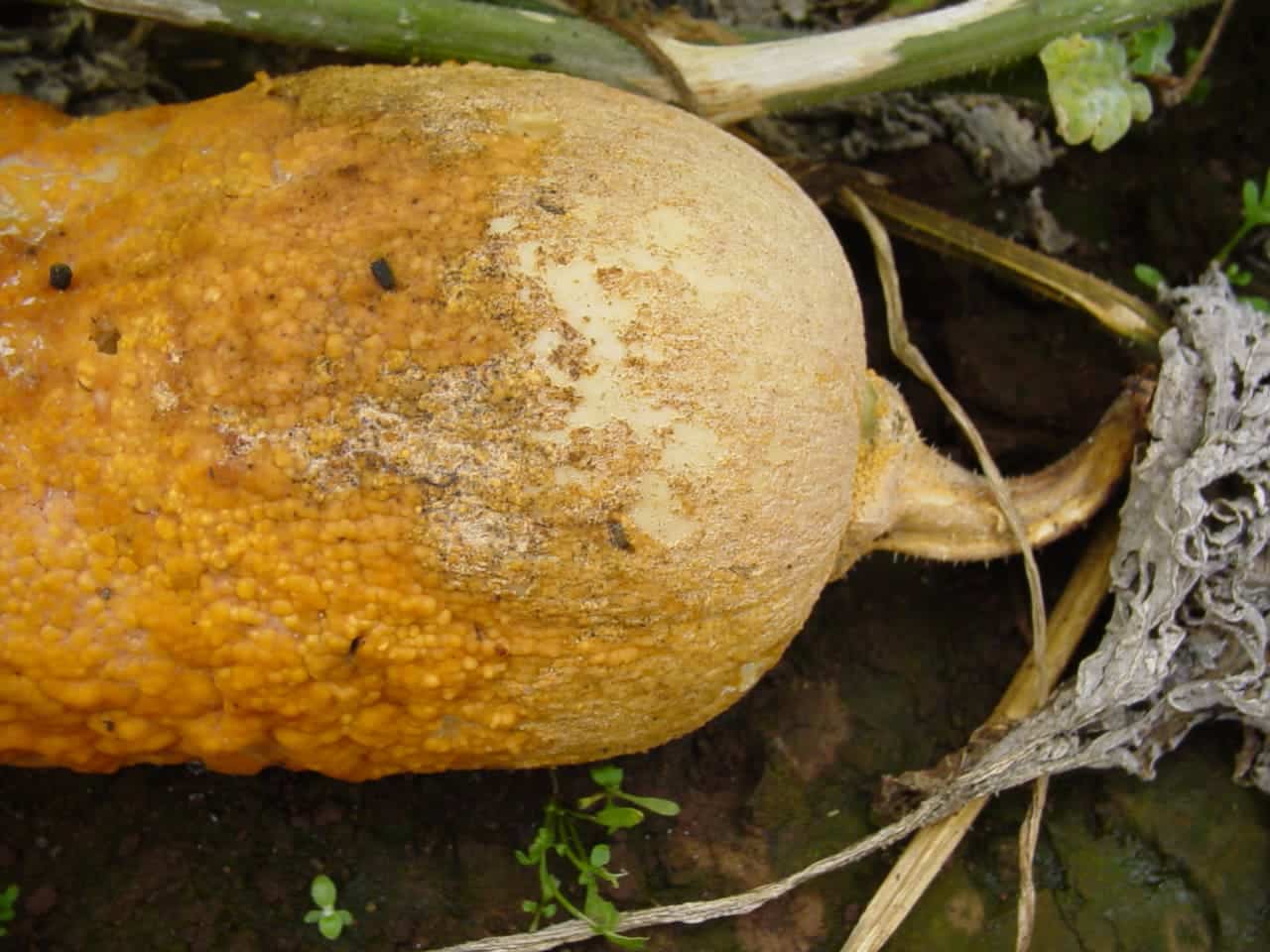
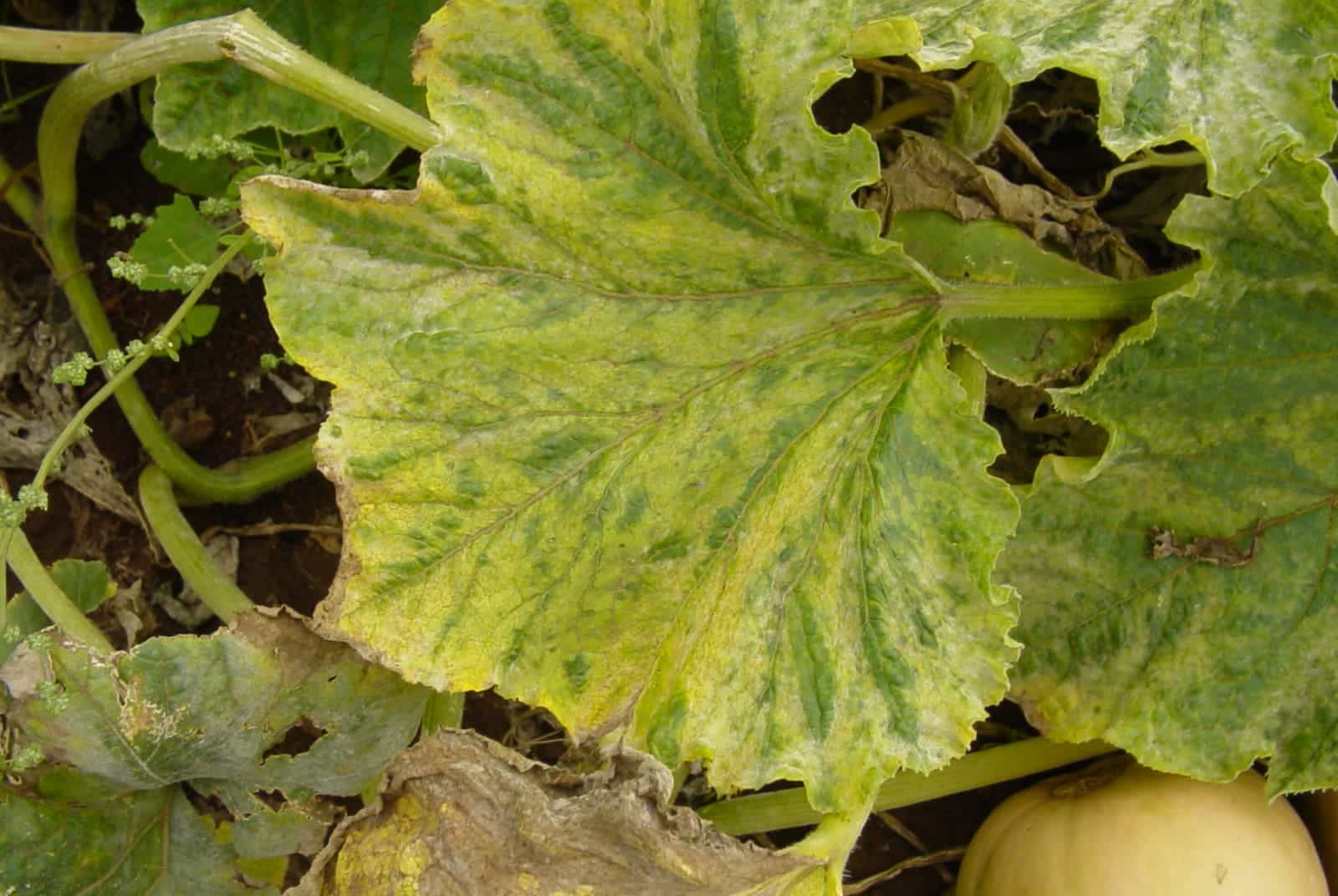
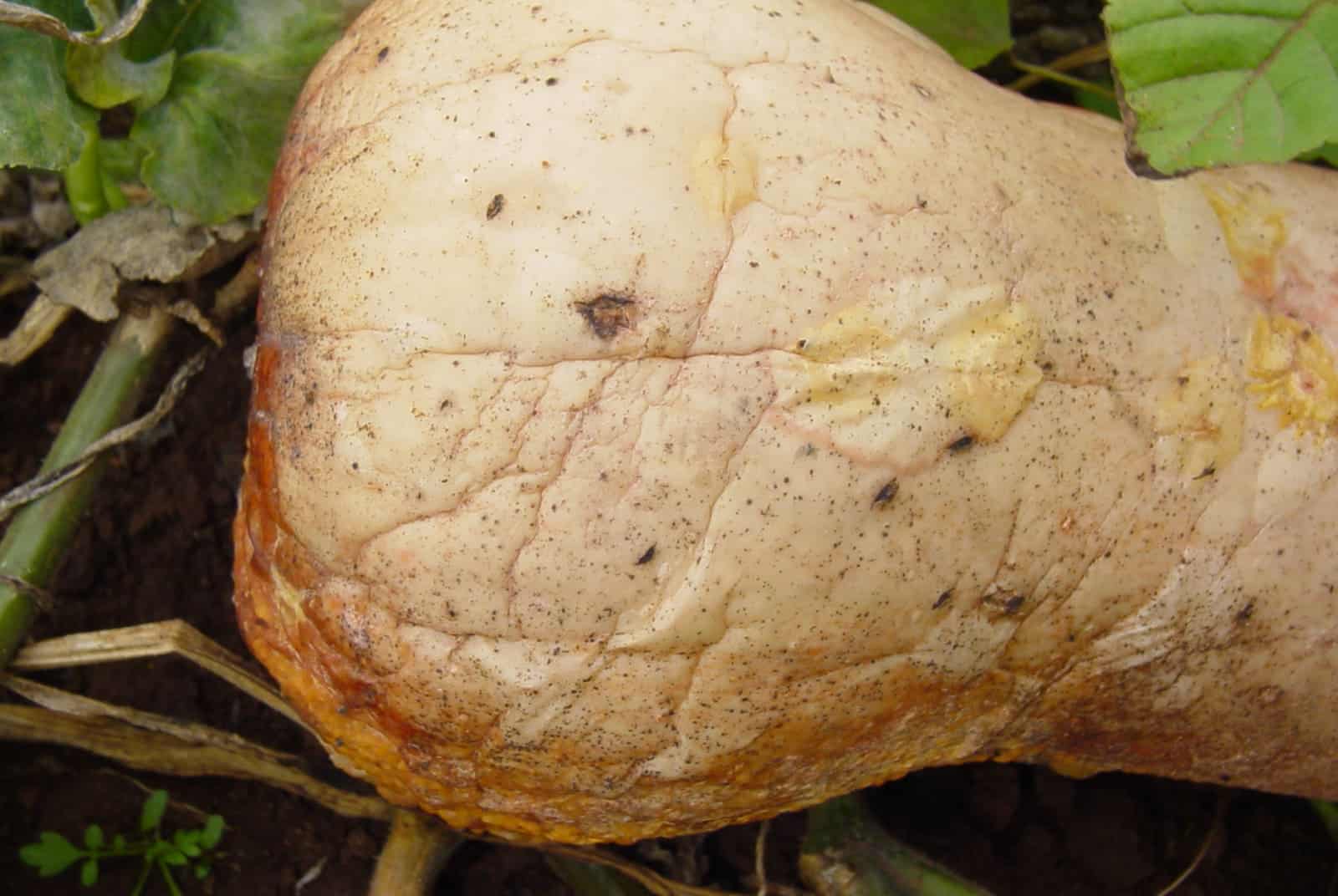
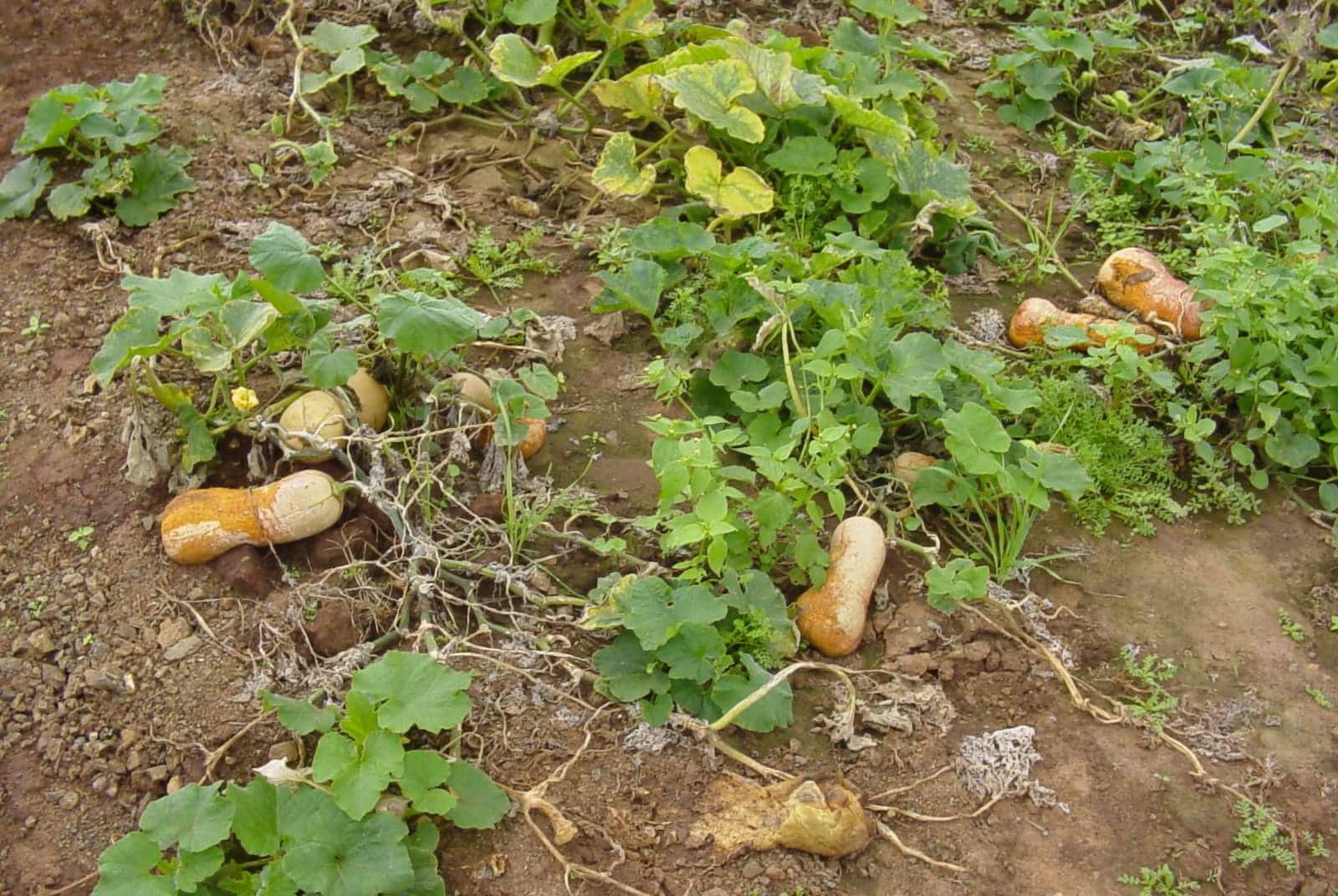
Key symptoms include:
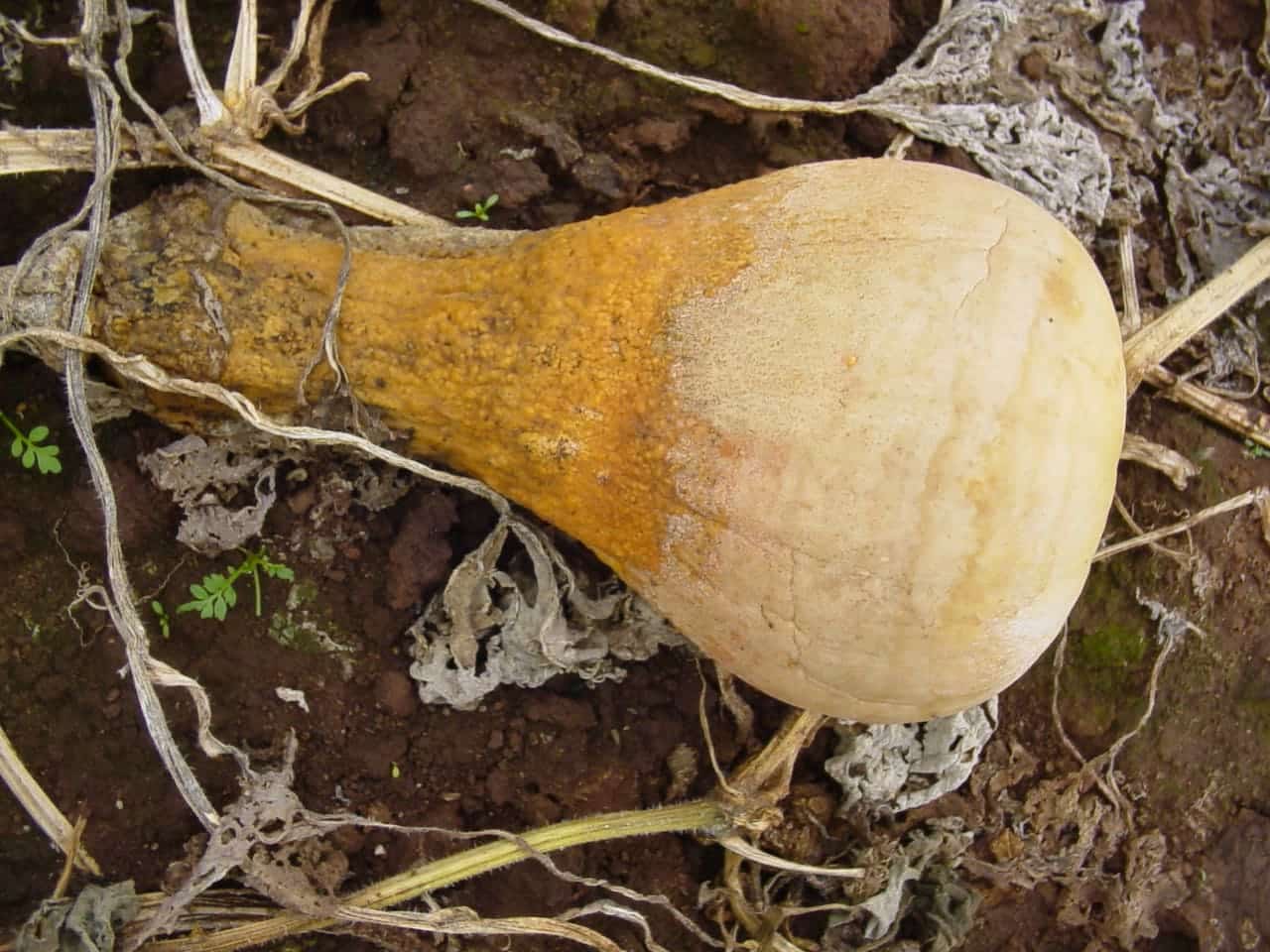
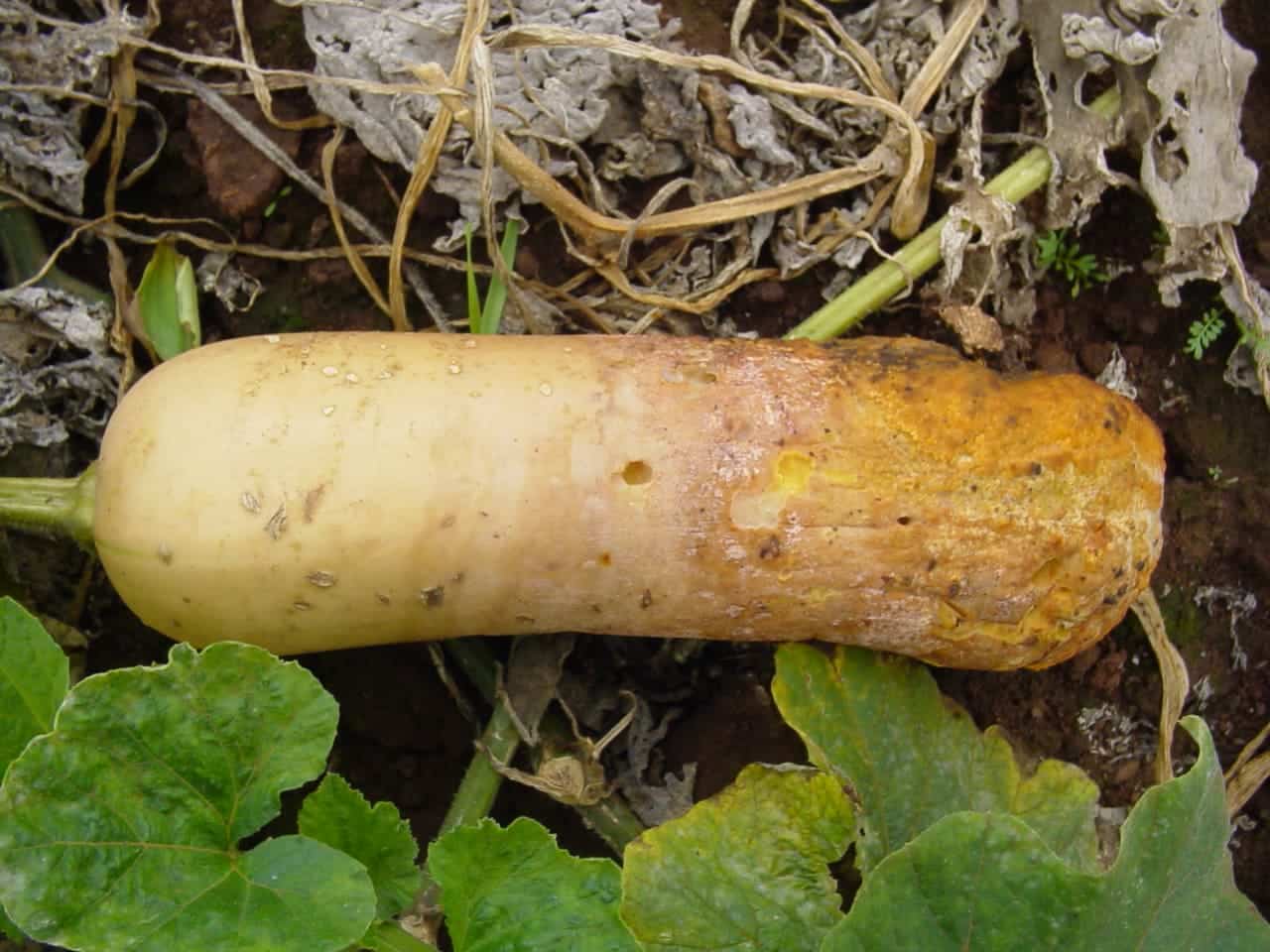
Fruit Rot: Typically begins as water-soaked lesions, often appearing on the side of the fruit in contact with the ground.
- Lesions expand rapidly, becoming covered in white mould as the pathogen produces numerous sporangia.
- Infection progresses quickly, leading to complete collapse of the fruit.
- Occasionally, infection starts in other areas of the fruit, especially where infected leaves or vines make contact.
- Rain or overhead irrigation can splash the pathogen onto other parts of the fruit, causing upper-surface infections.
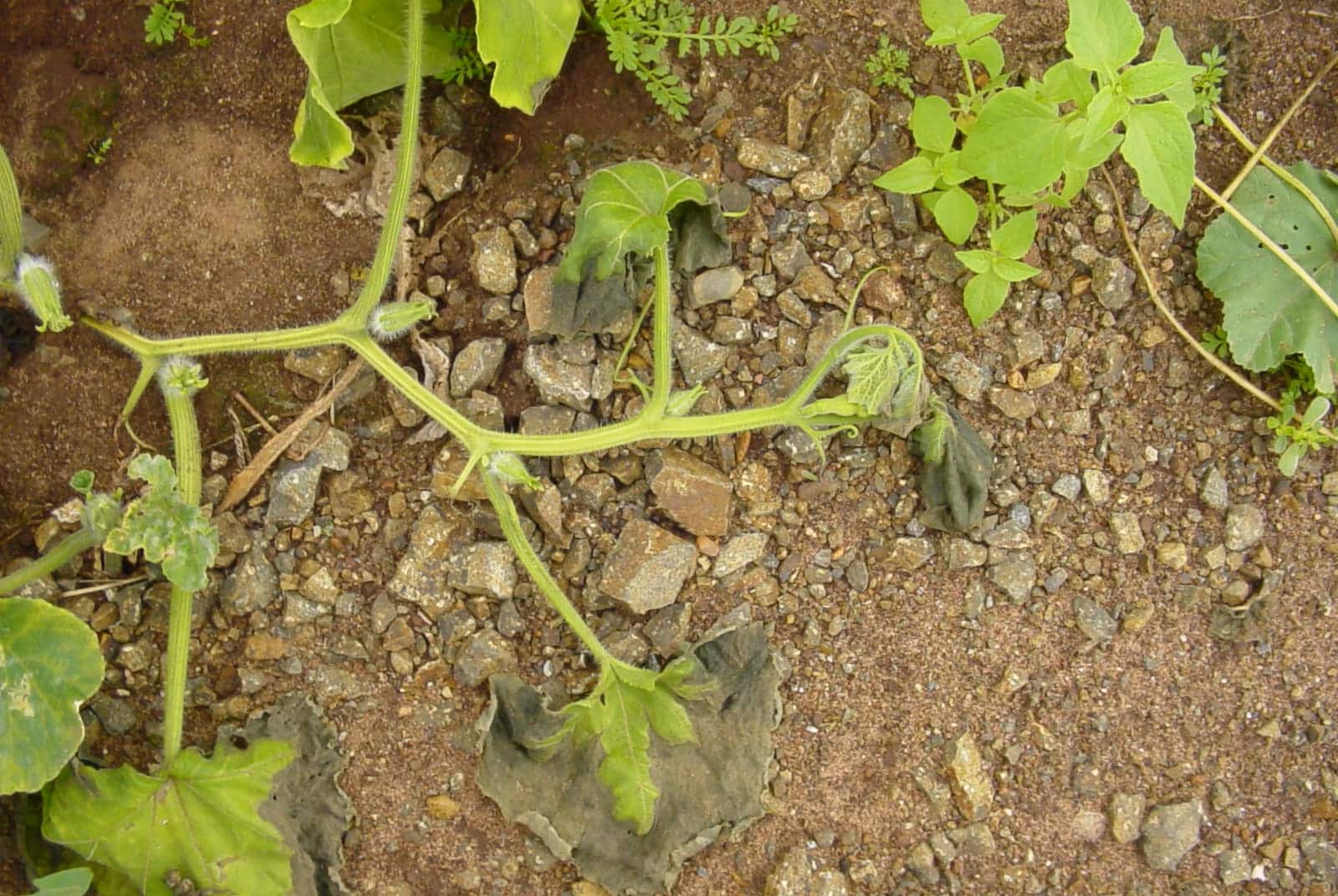
Foliar Blight: Severe infection of leaves and vines, often accompanied by fruit rot, which may result in total crop loss under favourable conditions.
Disease management:
Effective control of Phytophthora capsici requires an integrated approach, combining exclusion and cultural practices.
Exclusion
The best method for controlling Phytophthora is to prevent the pathogen from entering uninfested fields.
Key strategies:
- Farm equipment: Thoroughly clean all machinery and tools used in an infested field before moving them to other fields.
- Water management: Avoid using water sources like ponds or reservoirs that receive runoff from infested fields.
- Seed selection: Although capsici is not considered seed-borne, refrain from saving seeds from fields with a history of infection.
Cultural practices:
Cultural practices play a significant role in minimizing the spread and impact of Phytophthora.
Key recommendations:
Field Selection:
- Plant in fields without a history of Phytophthora for at least three years.
- Choose well-drained fields to avoid waterlogged conditions that favour the pathogen.
- Avoid planting in areas with poor drainage or excessive irrigation.
Raised Beds:
- Use dome-shaped raised beds for non-vining cucurbits to reduce water accumulation around the plants.
Crop Rotation:
- Rotate crops to fields without a recent history of cucurbits, peppers, tomatoes, or eggplants to limit pathogen survival.
Scouting and Sanitation:
- Regularly inspect fields for early symptoms, particularly after heavy rainfall.
- Isolate and plough infected plants into the soil to prevent further spread.
- Promptly harvest healthy fruit from affected areas and monitor for disease development.
Mulching and cover crops:
- Use plant materials such as oats and rye as mulch to reduce pathogen dispersal.
Fungicide Applications:
- Apply effective fungicides at the first sign of disease to protect healthy plants and limit infection spread.
Phytophthora blight poses a significant threat to cucurbit crops. By implementing preventative exclusion measures, practicing proper cultural management, and employing fungicides strategically, growers can mitigate the impact of this disease. Careful planning and monitoring are essential to maintaining healthy crops and minimising potential losses.