


Butternut is one of the most popular vegetable crops for both producers and consumers. The consistent shape and rich orange flesh make it a reliable product that many farmers rely on. However, thin, underdeveloped necks are a frequent deformity that leaves farmers questioning what went wrong.
A thin-necked fruit is a clear indication that the plant experienced physiological or environmental stress during a critical stage of fruit development. This is not just a cosmetic concern, as it reduces quality, lowers yield, and ultimately affects profitability. By understanding the main causes and managing stress factors, farmers can reduce deformities and ensure a uniform harvest.
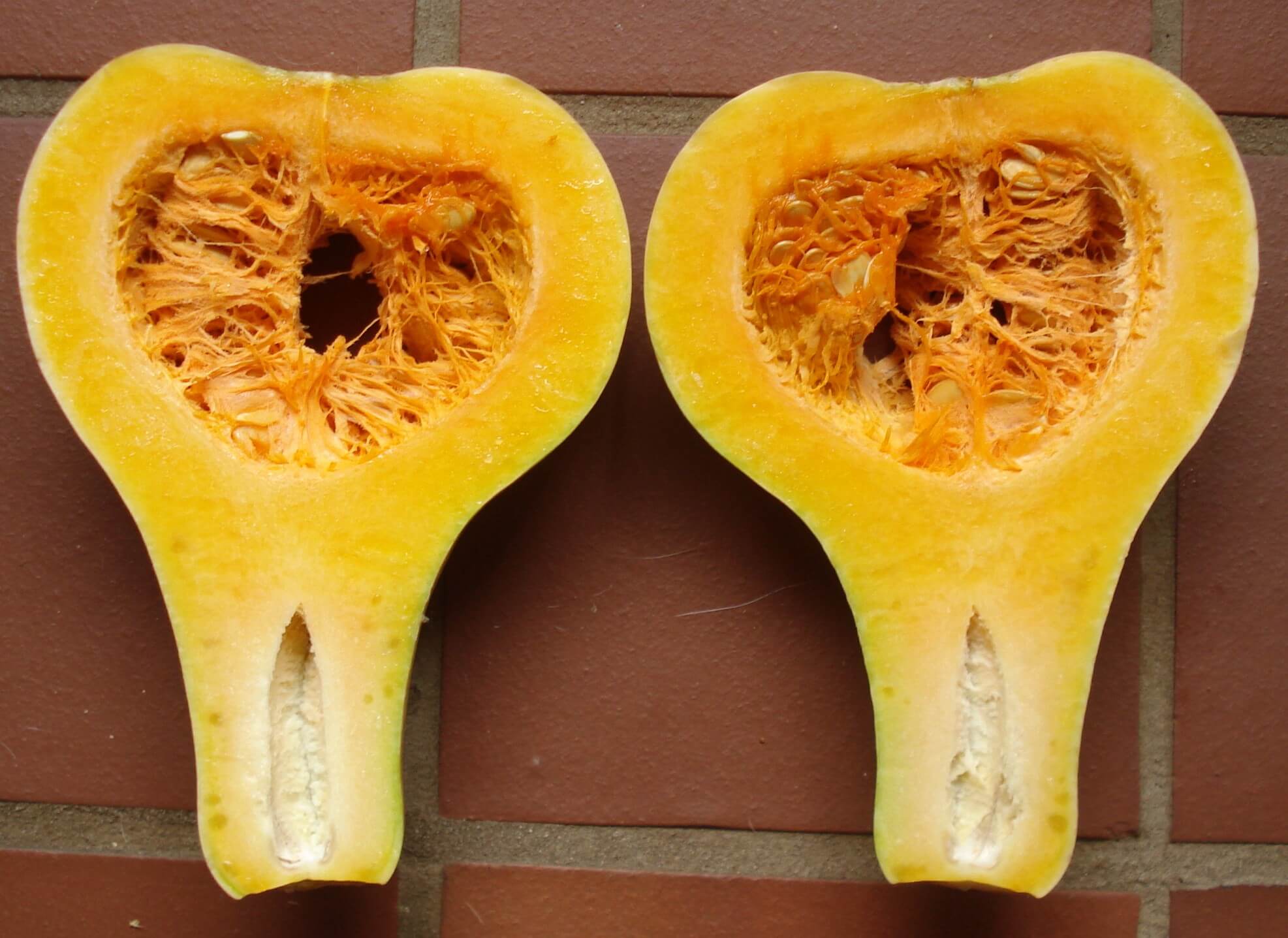
An example of poor development in butternuts.
Water management
Inconsistent watering is one of the main reasons for thin‑necked butternut fruit. Drought and intensive irrigation cycles disrupt regular cell formation, especially in the neck area of the fruit, leading to thin or unevenly shaped produce. The best solution is to use mulch and drip irrigation to maintain constant soil moisture levels throughout the growing season.
Temperature extremes
Abrupt temperature changes during the early stages of fruit development can result in thin‑necked fruit. Intense daytime heat or sudden cold nights stress the plants, disrupting hormone balance and cell division. Although the weather cannot be controlled, farmers can reduce risk by planting at the correct time and using shade nets and row covers when required.
Nutrient balance
Deficiencies in key nutrients, especially nitrogen and potassium, often result in uneven fruit growth during the early stages of production. Regular soil tests and the application of balanced fertilisers prior to flowering are essential to maintain correct nutrient levels for uniform tissue development.
Spacing, light and pest pressure
Overcrowded plantings block sunlight and limit photosynthesis, reducing the energy available for plant growth, particularly in the neck. Proper field layout and correct plant spacing ensure each plant receives sufficient light and resources. Diseases such as powdery mildew and pests such as vine borers and aphids also drain the plant’s energy, diverting resources away from the fruit. Correct spacing, good airflow, routine monitoring, and pest management are crucial to prevent stress.
Preventative strategies
By following a few practical steps, farmers can reduce the risk of deformities in butternut fruit:
• Maintain regular watering schedules
• Apply balanced fertilisers
• Ensure correct plant spacing
• Implement pest and insect control
• Use row covers and shade nets during extreme temperatures.
Thin necks in butternut squash are a clear indication that the plant has experienced stress during crucial growth phases. By maintaining consistent growing conditions, practising proactive pest control, managing nutrition, and protecting against weather extremes, farmers can improve yield and marketability to meet the quality standards consumers expect.
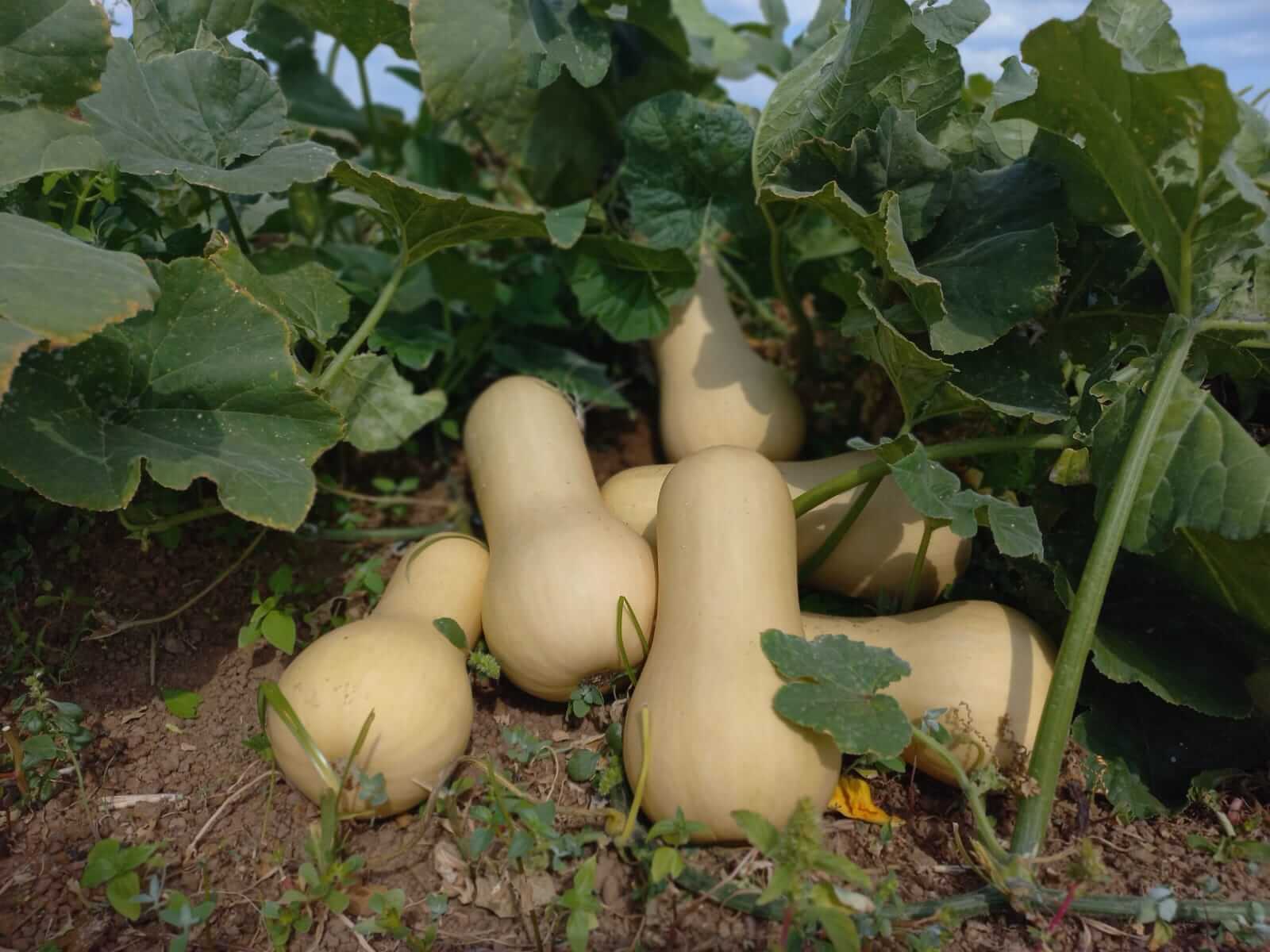
Healthy Uniform Butternuts
Disclaimer: This information is based on observations and data from other sources. As crop performance depends on the interaction between the genetic potential of the variety, environmental and physiological characteristics, the environment in which the crop is grown, and the crop’s management applied for crop performance relative to the information given. No liability is accepted for any loss, direct or consequential, that may arise. Please read the Sakata Seed Southern Africa (Pty) Ltd Conditions of Sale before ordering seed.